Finding Tenants Yourself – What Letting Agents Won’t Tell You
I’ve never used a letting agent. Not for my Hackney flat, not for Bristol. Multiple tenant changes over the years, all done myself, and both properties have stayed consistently occupied with people I’m genuinely glad are there.
Here’s exactly how I do it.
The Photos
Your phone is fine. What matters is composition, light and honesty.
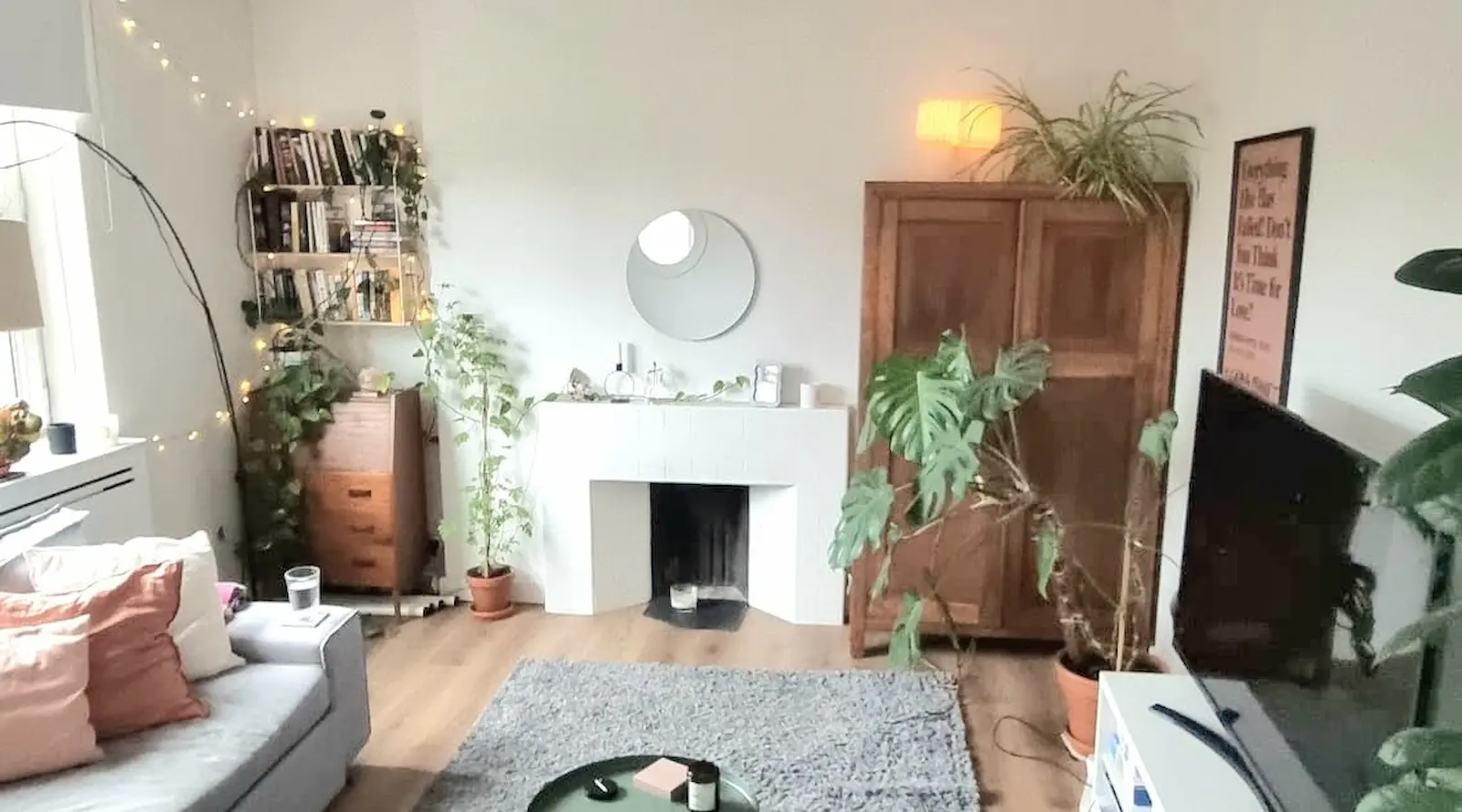
I edit for warmth and consistency – every photo should feel like it belongs in the same set. Open the blinds, clear the surfaces, shoot from corners to show the full room. Make it appealing without making it a lie. There’s no point hiding a small kitchen or an awkward layout – they’ll see it when they view, and starting a tenancy on a mismatch of expectations helps nobody.
Appealing and honest aren’t opposites. They’re both just good judgement.
The Listing
I use SpareRoom. It’s where the serious room and flat sharers are, and the search filters mean you reach people who are genuinely looking for what you have.
The listing text matters more than most landlords think. Write it like a person, not an estate agent. Describe the flat warmly – the light, the location, what’s nearby, whether there’s parking. State clearly what’s included.
I include all bills in the rent except council tax. This isn’t just convenience for tenants – it’s a deliberate choice. Controlling the bills means no risk of utility arrears linked to the address, and it makes moving tenants in and out by the room seamless when needed.
Be specific about the availability date. Vague listings attract vague enquiries.
The Tenancy Structure
How you set up the tenancy depends on how the flat is let.
If the flat is taken as a whole by a group – friends moving in together, for example – one person becomes the lead tenant. They sign the tenancy agreement and pay the rent. The others are named on the agreement but the financial relationship is between you and the lead tenant.
If the flat is let by the room individually, as I do in Hackney, each tenant has their own separate tenancy agreement and pays their own rent monthly. It’s more admin upfront but cleaner in the long run – each person is responsible for their own room and their own payments, with no dependency on housemates. Once tenants are in, here is how I manage the relationship.
Responding to Enquiries
Reply fast. Within the hour if you can. The best tenants are viewing multiple places and the ones who respond quickly to you are usually the ones worth having.
When someone messages, I reply with a few quick questions – when do you need to move in, what’s your situation, what are you looking for. Not an interrogation, just enough to sense whether there’s a fit before spending time on a viewing.
Move to the viewing conversation quickly.
The Viewing Weekend
I block out a full weekend – Saturday and Sunday, 10am to 6pm – in 30-minute slots, booked back to back.
The short slots are deliberate. When people arrive and see someone leaving, and know someone else is coming, it creates a sense of genuine demand without me saying anything untrue or doing anything estate agent-ey. The flat is popular because it is popular. I’m just letting that show.
Some people are late. Some don’t show up. That’s useful information too.
The Gut Check
After two days of viewings, a few people will have felt right. They ask good questions, they’re engaged, they’re already thinking about when they can move in rather than whether they want to.
Some won’t have perfect paperwork. Young self-employed tenants often don’t. I’ve asked for guarantors where needed, and I’ve allowed deposits to be paid over a couple of months for the right person. The paperwork gap matters less than the person standing in front of you.
What I’m really watching for is how they handle the process after the viewing. References, ID, proof of income, right to rent checks – getting all of this together takes effort. The tenants who get it to you fast, without chasing, who treat the admin as their responsibility rather than yours – those are your tenants.
If I have to chase for anything at all, it’s a no.
It sounds harsh. It isn’t. It’s the single most reliable signal I’ve found after years of doing this. A tenant who is slow or disorganised before they move in will be slow and disorganised after. The ones who move efficiently are the ones who pay on time, communicate well and treat the flat as their home.
The Paperwork
Once you’ve chosen your tenants, here’s what you need before anyone gets a key:
- References – previous landlord and employer
- Proof of ID – passport or driving licence
- Right to rent check – legal requirement, don’t skip this
- Proof of affordability – payslips, or accounts for self-employed tenants
- Visa documentation where applicable
- Deposit paid and registered with a government-approved Tenancy Deposit Scheme
The deposit is one month’s rent and must be held with a TDS – the Deposit Protection Service, MyDeposits or the Tenancy Deposit Scheme are all government-approved. You have 30 days from receipt to register it and issue the prescribed information to your tenants.
Sometimes tenants need more than a tenancy agreement – like a letter for a visa application.
To secure the flat, the deposit needs to be paid. Until it is, nothing is confirmed – and I’m clear about that upfront.
Why Bother Doing It Yourself
Letting agents charge fees – finder’s fees, management fees, renewal fees. For a self-managing landlord with good judgement and a free weekend, most of that cost is unnecessary.
The part agents claim you need them for – finding the right people – is the part that comes down to instinct and process, not professional qualification. And your instinct improves every time you do it.
I’ve done this across two properties in two cities, through multiple tenant changes. The flats have stayed occupied with people I trust. That’s the measure.
This article reflects my personal experience as a self-managing landlord. Right to rent checks are a legal requirement in England – always verify current requirements before letting.