How I Manage Tenants Without Agents and Keep Turnover Low
How I Manage Tenants Without Agents and Keep Turnover Low
Self managing landlord life in the UK means the day to day tenant relationship is yours to handle. This is about what happens after someone moves in – the tenant management decisions that determine whether people stay or leave, and whether the whole thing feels like a job or just part of how life runs.
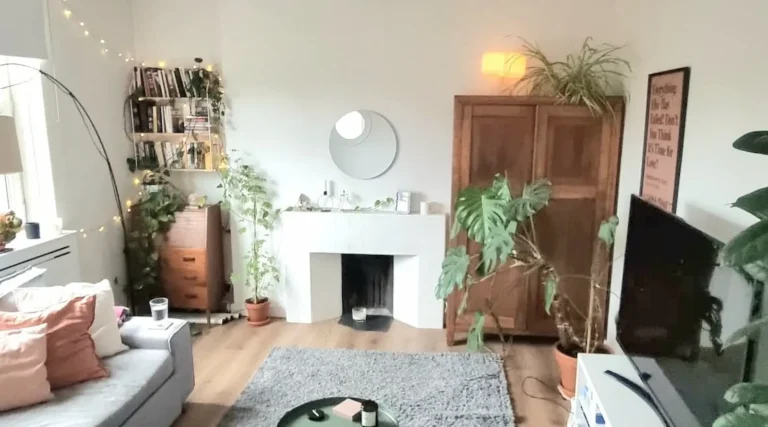
I manage two properties directly. One is a flat in London let by the room with individual tenancy agreements. The other is a whole property let through a limited company. The approach is the same for both, though the details differ.
Maintenance requests get acknowledged in under a minute
When a tenant messages me about a problem, I reply immediately. Not with a solution – just an acknowledgement that I have seen it, plus a request for whatever I need to move it forward. Photos, a description of the issue, their availability for someone to visit.
That reply takes less than a minute and it does several things at once. It tells the tenant they are a priority. It moves the task back to them, which means the pace of the solution naturally matches the urgency. If they respond quickly with details, it is genuinely urgent and I act straight away. If they take a day or two, the timeline adjusts without me having to guess.
It also shifts the dynamic. I am not the authority deciding what matters and what can wait. I am a facilitator – someone who books the work and makes things happen once the tenant tells me what they need. That framing changes the whole relationship.
Once I have the details, I go to tradespeople I already work with. If it is something outside their scope, I post the job on Airtasker with clear specs and find someone from there. That is actually where most of my regular plumbers came from originally. Over time you build a small network of reliable people, and that network is one of the most valuable things about managing properties yourself.
Deposits on the last day, no inspection drama
Deposits are held with the Tenancy Deposit Scheme, which means I cannot release them early even if I want to – TDS will not process it before the tenancy end date. So I release the deposit on the day the tenant moves out.
I do not do a formal inspection with a clipboard. I trust them to leave the place clean, and so far every tenant has done exactly that. Part of the reason is that in the shared flat, outgoing tenants usually meet the incoming ones during the handover. There is a natural accountability built into that – nobody wants to leave a mess for someone they have just met face to face.
This will not always be possible, especially when the whole property changes hands at once. But so far it has worked, and it avoids the adversarial energy that formal inspections tend to create.
Letting tenants choose who they live with
In the shared flat, when someone gives notice I post the room on SpareRoom immediately. Enquiries come in, I screen them for basics, and then the remaining tenants meet the shortlisted candidates. They choose who they want to live with, and I make the final decision from the people they liked.
This works because tenants who choose their own housemates are more likely to stay. It gives them a sense of ownership over the household, which reduces friction and complaints down the line.
I tried once to offer a friend-of-tenant discount – a slightly lower rent to incentivise referrals. It worked the first time. The second time, the friend was not responsive enough with documents and references, and I had to awkwardly tell the existing tenant I was going with someone else at market rent. That conversation was uncomfortable, and the lesson was clear: the same standards apply to everyone, regardless of how they were introduced. I have not offered the discount since.
Rent increases and mortgage reality
I do not raise rents speculatively. When mortgage rates increase, the numbers change, and sometimes rent needs to reflect that. I am straightforward about the reason and give as much notice as possible.
Most tenants understand this if you are honest about it. The ones who have seen you respond to maintenance quickly and handle everything fairly tend to give you the benefit of the doubt. That goodwill is earned over months and years of consistent behaviour, not through a single conversation.
Why any of this works
None of this is complicated and the management side only works if the people you find in the first place are worth keeping. A good tenant also tells you when something needs fixing – a clear repair list is a sign of someone who cares about the property. The reason it works is consistency – responding quickly, paying tradespeople promptly, releasing deposits without drama, writing landlord letters when tenants need them and treating the tenancy as someone’s home rather than your investment.
That last part matters more than any system. These are people’s homes. When something breaks, it is not an asset management issue, it is someone’s kitchen or bathroom or heating. When you approach it that way, problems feel shared rather than assigned, and the whole dynamic shifts from transactional to collaborative.
This only really works at small scale. Two properties, a handful of tenants, a small network of tradespeople. Beyond that, the personal element would inevitably dilute and you would need more formal systems. But at this scale, the simplicity is the advantage.
This article reflects my personal experience as a landlord and is not legal or professional advice. Landlord obligations vary and you should ensure you comply with all relevant regulations.